
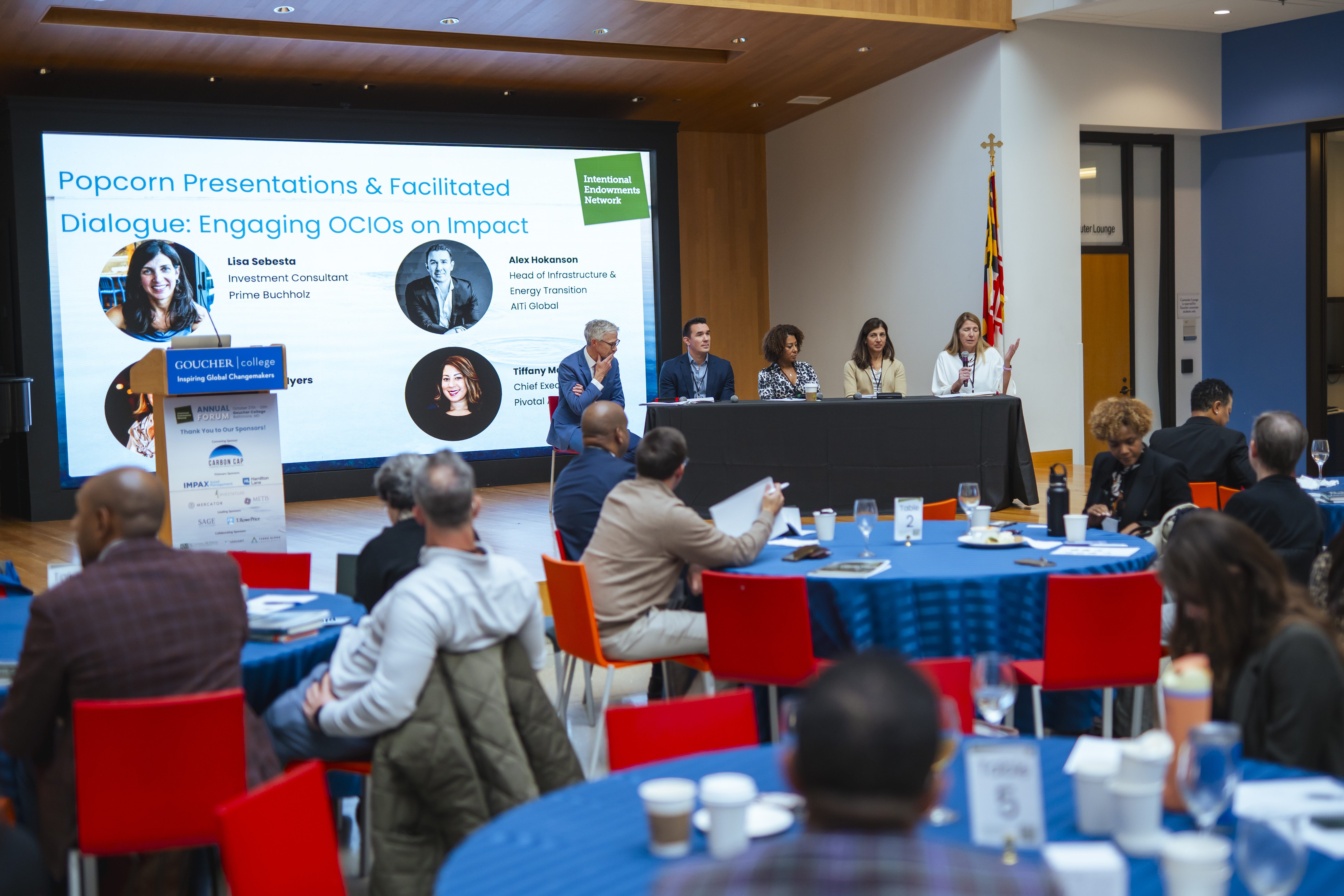
The 2025 Annual Forum, hosted by the Intentional Endowments Network, took place last month at Goucher College in Baltimore, Maryland. This two-day event brought together leaders in higher education, sustainable investing, and community engagement to discuss how to maintain intentional investing momentum across institutions.
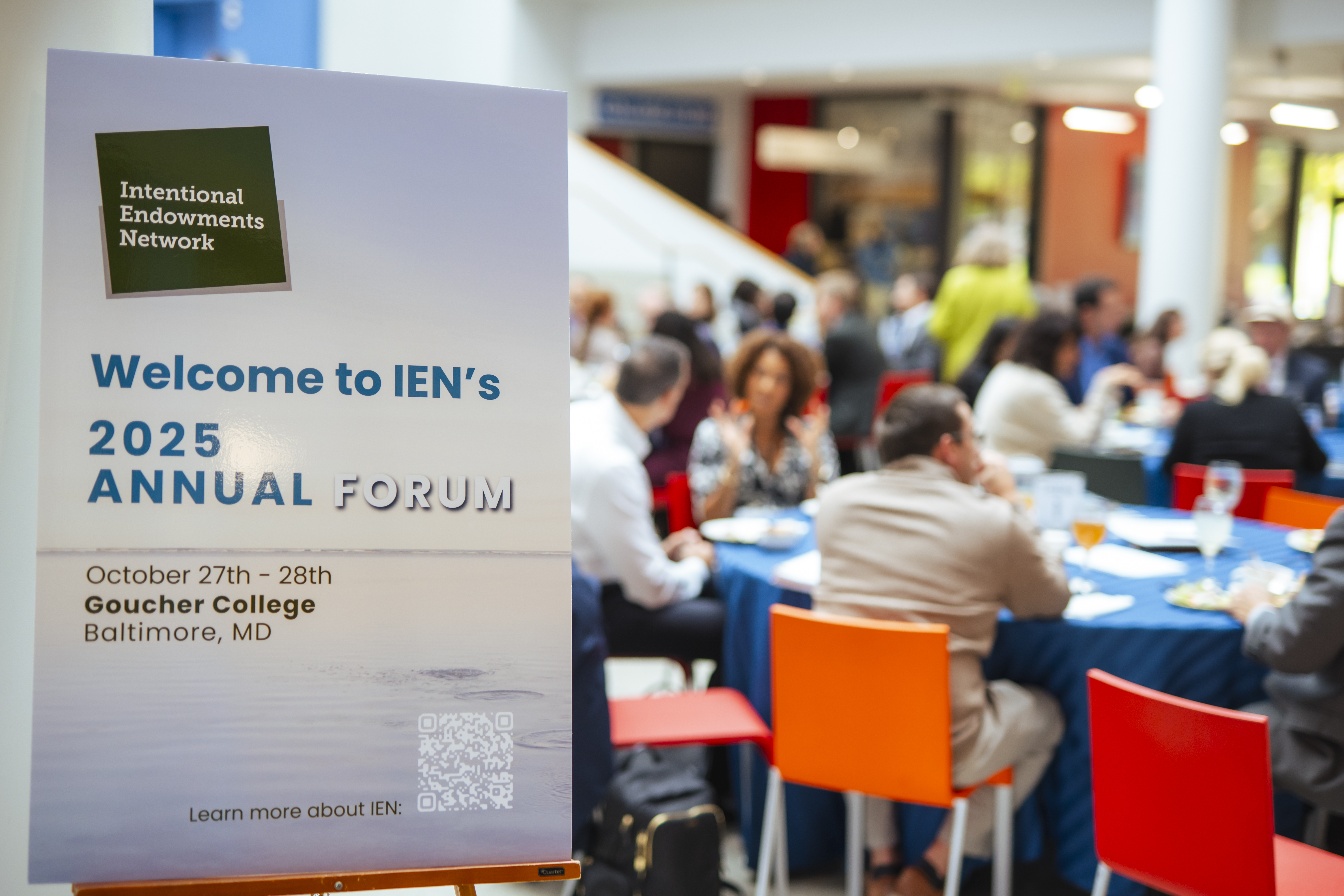
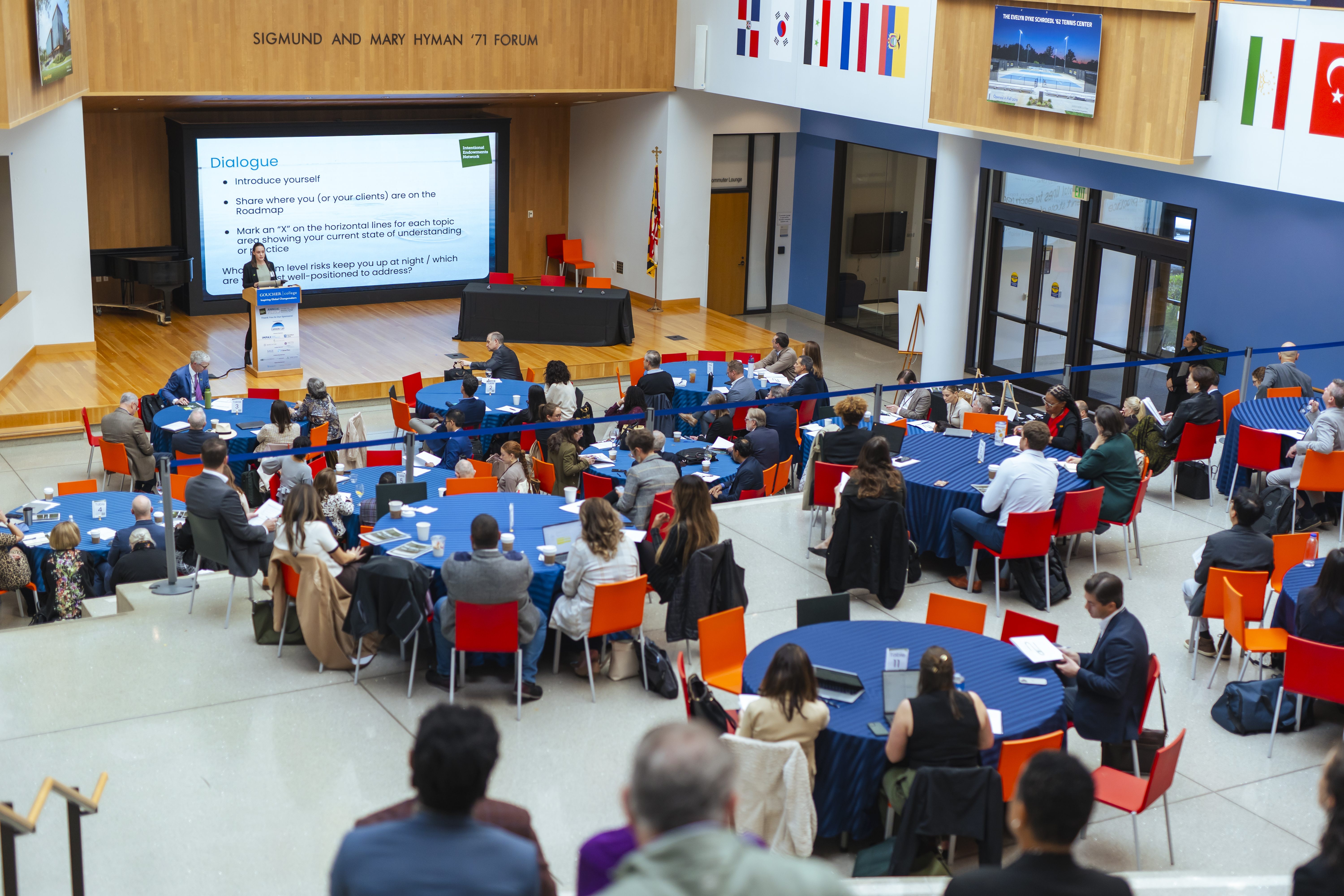
Participants shared unique perspectives and experiences across important topics pertaining to system level investing. In an uncertain and often contentious environment toward sustainability, participants shared their experiences and learned how to navigate challenges while continuing the momentum.
The forum featured a dynamic mix of panels, case studies, popcorn presentations, facilitated dialogues, keynotes, and table conversations—all designed to foster collaboration and actionable learning.
Day 1: Setting the Context
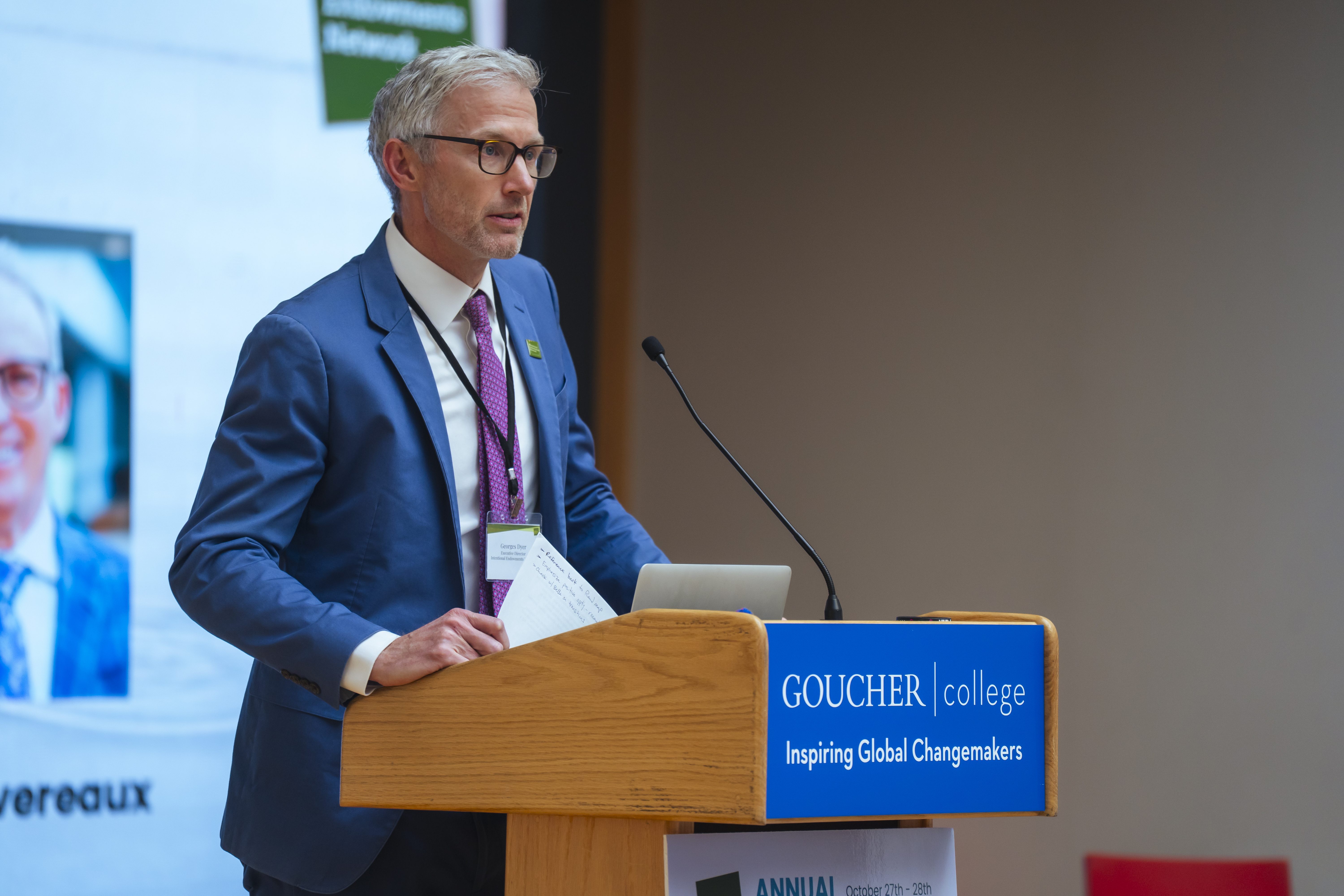
The first day kicked off with introductory remarks from Georges Dyer, co-founder and executive director of IEN, and Kent Deveraux, President of Goucher College. Deveraux emphasized the importance of collective action, highlighting how individual efforts contribute to broader community impact. "Where Baltimore goes, Goucher College goes," he stated—a sentiment that resonated with attendees working to create meaningful change within their communities and beyond.
Navigating the Changing Landscape
In recent years, the rise of Artificial Intelligence and shifting political sentiment toward ESG have significantly affected the impact investing community. Day 1 highlighted these changes and brought forth different perspectives and strategies on navigating the new political climate and AI.
The Political Context
The Context We're Living in Panel featured Andrew Collier from Ceres, Maria Lettini from US SIF, and Emma Harper from Sage Advisory Services. They provided an outlook on federal and state policy changes and the implications for sustainable and impact investing. Attendees gained understanding of the policy landscape alongside implications, opportunities, and best practices.
Responsible AI
Later in the day, focus shifted to AI with the panel Investing in Artificial Intelligence - Risks & Opportunities for Investors. The panel brought together speakers from organizations advancing responsible and sustainable technology development—Mike Kubzansky of Omidyar Network, Gaurab Bansal of Responsible Innovation Labs, Lamisa Hossain of TechForward Investors Initiative, and Siddhart "Sid" Jha of Impax Asset Management— who discussed key issues and risks associated with AI, along with practical steps investors can take. They highlighted the systemic risks AI poses across asset classes, including environmental, privacy, and workforce-related concerns. The panel offered insights on investor response strategies, emphasizing active engagement, participation in industry initiatives, and the use of due diligence frameworks to assess and manage AI-related exposures.
Fiduciary Duty & System-Level Investing
Day 1 also highlighted how considering systemic risks from environmental and social factors are critical components of fiduciary duty in the 21st century.
Rick Alexander of The Shareholder Commons delivered a keynote on System-Level Investing, highlighting that stewardship and system-level investing critical emerging strategies to ensure both societal thriving and strong long-term portfolio performance.
Keith Johnson of Global Investor Collaboration Services presented a compelling and comprehensive case for the fiduciary duty to consider environmental and social factors. He explained that investors have a duty to think long-term and protect both current and future beneficiaries. This means they must consider environmental and social risks that can affect investment performance over time. Ignoring these factors, Keith argued, would violate their responsibility to make careful and fair decisions.
Hallie Label and Marisa Grant extended this fiduciary framework to asset manager selection, holding an engaging fireside chat on how expanding the diversity of asset management talent can strengthen portfolio performance. By broadening the pool of managers beyond traditional networks, investors gain access to diverse perspectives and market insights that can identify opportunities and risks others might miss—ultimately serving the long-term interests of beneficiaries.
Additionally, the role of consultants in sustainable strategy implementation was key during Popcorn Presentations: Engaging OCIOs on Impact. Each consultant's approach varies: Alex Hokanson of Alti Global emphasized thematic impact frameworks, Heather Myers of Aon focused on governance structures and accountability mechanisms, Lisa Sebesta of Prime Buchholz addressed practical implementation processes, and Tiffany McGhee of Pivotal Advisors presented impact frameworks for private market managers. Together, they demonstrated the range of technical expertise consultants bring to translating impact goals into investment practice.
Day 2: Advancing Climate, Equity, and Engagement
Day 2 focused on fundamental components of impact investing: climate, equity, stakeholder engagement, and communication.
Perspectives from Asset Owners
Visionary Voices
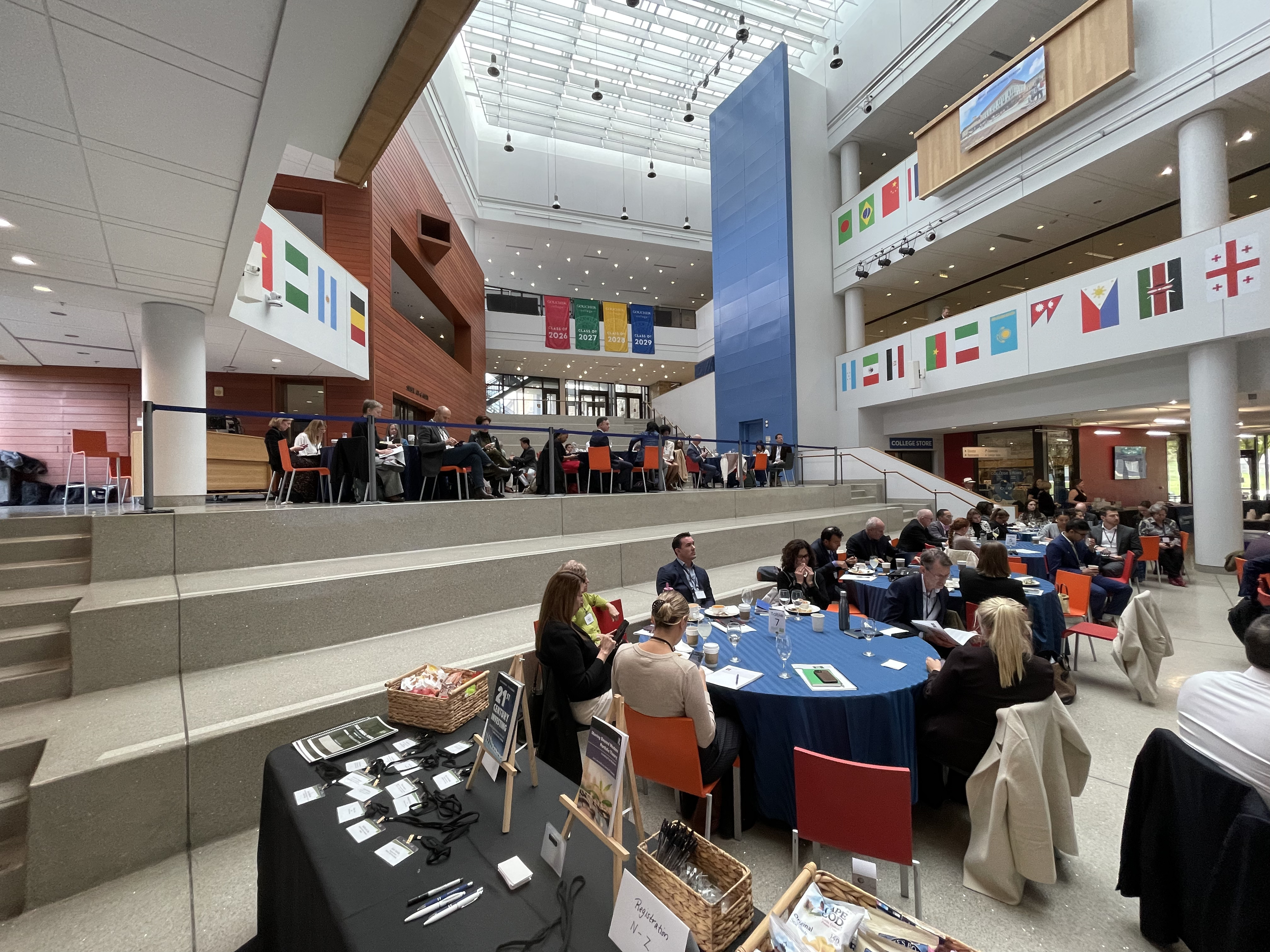
The day began with popcorn presentations featuring visionary voices from asset owners across the spectrum—from universities to museums. The panel included Iman Abdullah of Oberlin College, Jeff Mindlin of Arizona State University, Dan Chu of Sierra Club Foundation, and Mike Young of the Walters Art Museum. Speakers discussed their organizations' processes for considering sustainability risks and opportunities in their endowment investing to drive strong risk-adjusted returns while supporting their missions, and positively impacting their communities. The presentations were followed by facilitated table dialogues on topics hosted by the speakers.
Mission Alignment
The Jerome Foundation's journey toward 100% mission alignment was a case study for asset owners working toward the same goal. Rick Scott, the foundation's Treasurer, shared the successes from his work with Anna Raginskaya of Morgan Stanley's Blue Rider Group. Raginskaya also celebrated the successes of Blue Rider Group's work with Bari Wiley of Harbourview Equity Partners and David Sand of Community Capital Management.
Investing in Climate & Climate Justice
Building on that discussion, the panel Investing in Climate & Climate Justice introduced opportunities across asset classes. Panelists included Scott Hobart of Mercator Partners, David Helgerson of Hamilton Lane, Erick Hsueh of Veries Wealth Partners, and Chavon Sutton of Cambridge Associates. Each brought forth unique perspectives on how their organizations address climate risk and find opportunities for climate justice and social impact. The session included an overview of the U.S. policy environment and its impact, concluding with examples of wins and success stories in advancing climate justice and social impact.
Carbon Markets as a Financial Asset
Mike Azlen of Carbon Cap Management LLP presented carbon markets as a financial asset to enable a just transition and accelerate the shift toward a clean, low-carbon economy. Mike explained how investing in carbon works through purchasing and trading carbon allowances within compliance carbon markets—government-regulated systems that cap total emissions and issue permits. As these caps tighten over time, the limited supply of permits drives up prices, creating profit opportunities for investors while incentivizing companies to reduce emissions.
Closing & Key Takeaways
We closed the Forum with a two-workshop slate, with Investature holding conversations on sustainability solutions on an individual and institutional level, and FFI Solutions and Edelman Smithfield speaking with other attendees on communicating climate progress and sustainability priorities.
Key takeaways from the two days include:
- The political context is creating confusion and fear; and impeding progress - but the material investment risks from social and environmental factors have not gone away;
- Fiduciary duty compels investors to continue to address the risks & opportunities stemming from these complex and dynamic factors that are often excluded or externalized from traditional investment processes.
- Understanding system-level investing is an emerging requirement for fiduciaries in the 21st century; For investors --- especially long-term institutional investors and universal owners --- overall market performance, health, and stability (beta) is more important than outperformance of individual companies (alpha).
- While there is incredible potential for positive societal impact and investment opportunities in Artificial Intelligence, investors have the responsibility (and self-interest) to understand the potential risks and ensure companies are putting strong guardrails in place when developing and deploying AI.
- In the US and globally, opportunities to invest in climate solutions remain strong in a variety of asset classes --- including public equities, private equity, infrastructure, and carbon markets.
- It's critical to understand that climate justice is integrally linked to any efforts to address climate.
- Talent is evenly distributed, but opportunity is not -- asset allocators should take an expansive approach to talent to reduce risk and enhance performance.
- Asset owners & managers are continuing to focus on sustainable, mission-aligned, and impact investing strategies --- although in some cases more quietly.
- Stakeholder engagement and thoughtful communication strategies are even more important for investors to consider in the current environment.
Looking Forward
IEN's Annual Forum provided a timely opportunity for institutional investors to connect and learn from each other about the best ways to advance sustainable, mission-aligned investing to ensure they are meeting their fiduciary duties and maximizing the overall benefit for the institutions and beneficiaries they serve. With so much noise and efforts to politicize this work, participants found the Forum to be a refreshing chance to connect with other dedicated, thoughtful investors, build new relationships, and share best practices.
We invite you to explore the event photo album and join us in continuing these important conversations. If you are interested in learning more about IEN events and other programming, check out our upcoming events, subscribe to our newsletters, as well as our podcast - The Future of Finance with Georges Dyer - and contact the team to learn more about other ways to get involved.